 4.6 / 5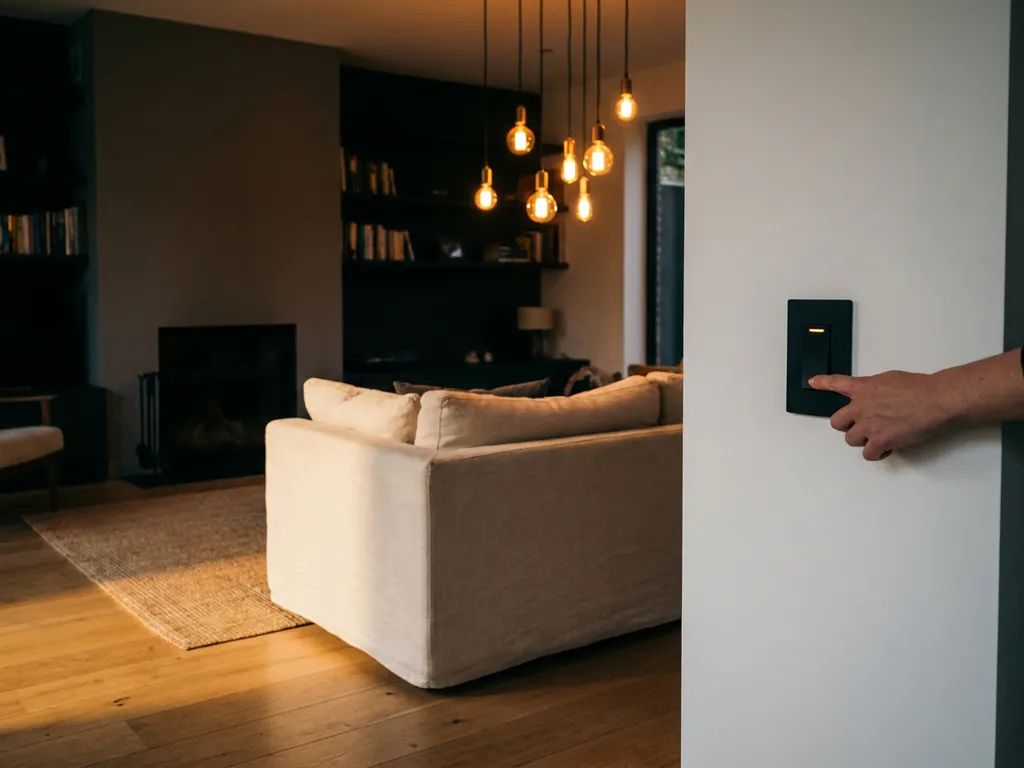
Ambient lighting is important for your interior because it directly influences the atmosphere of a room. The right lighting can make a room feel warmer, calmer, or more inviting—without you having to move a single piece of furniture. It’s one of the simplest ways to dramatically improve the feel of your home.
Whether you're looking to unwind after a long day or create a cozy atmosphere for guests, ambient lighting plays a key role. In this article, we answer the most frequently asked questions about ambient lighting, from the different types and color temperatures to smart solutions and the best placement.
How does mood lighting affect the atmosphere in a room?
Ambient lighting influences how you experience a space on both an emotional and physical level. Warm, dimmed light has a calming effect and encourages relaxation, while bright or cool light stimulates alertness. Choosing the right ambient lighting determines whether a room feels like a cozy living room or a sterile workspace.
Light works in several ways at once. It affects the perceived size of a room, the color of walls and furniture, and even your mood. Dark corners with indirect lighting make a large space feel intimate, while focused spotlights highlight architectural details or works of art.
What’s more, light has a proven effect on our circadian rhythm. Warm ambient lighting in the evening signals to your body that it’s time to relax, while brighter light during the day helps boost your productivity. So ambient lighting isn’t just about aesthetics—it’s also about well-being.
What types of mood lighting are available for the home?
There are several types of ambient lighting you can use in your home, each with its own function and aesthetic. The most common types are indirect lighting, accent lighting, decorative lighting, and table or floor lamps. Together, they create a layered lighting plan that adds depth and warmth to any room.
An overview of the most popular varieties:
- Indirect lighting: light that reflects off the ceiling or walls, creating a soft, shadow-free glow
- Accent lighting: spotlights or strip lighting that highlight details, works of art, or architectural features
- Decorative lighting: light fixtures that are decorative in their own right, such as pendant lamps or illuminated objects
- Table and floor lamps: versatile lighting fixtures that add warmth and character to a specific corner
- LED strips: versatile for use behind furniture, under kitchen cabinets, or along ceiling moldings
The power lies in the combination. By combining different types of ambient lighting, you can create a space that’s easy to adapt to the moment—from a quiet movie night to a lively dinner party.
Regel het licht precies zoals u wilt
Ontdek onze led-dimmers en controls: draaiknop, drukknop of aanraakvrij — altijd upgradebaar.
Bekijk led-dimmersHow do you choose the right color temperature for ambient lighting?
The right color temperature for ambient lighting depends on the room and the desired atmosphere. For living rooms and bedrooms, it’s best to choose warm white light between 2700 and 3000 Kelvin. This creates a relaxed, cozy atmosphere. In kitchens or workspaces, neutral white light around 3500 to 4000 Kelvin may work better.
Color temperature is expressed in Kelvin (K) and ranges from warm to cool:
- 2200 to 2700 K: extra warm white, ideal for bedrooms and cozy living areas
- 2700 to 3000 K: warm white, the most common choice for living rooms and dining areas
- 3,000 to 3,500 K: warm white, suitable for kitchens and bathrooms
- 4000 K and higher: cool white to daylight, better for workspaces and offices
A common mistake is mixing vastly different color temperatures in a single room. This creates a chaotic and disjointed look. Choose one dominant color temperature as a base and use accents that stay close to it.
Can smart lighting help create better ambient lighting?
Smart lighting can significantly enhance ambient lighting, as you can easily adjust the light intensity and color temperature to suit the moment. With a dimmer or smart switch, you can transform the same light into a completely different ambiance, without the need for additional fixtures or wiring.
A wireless dimmer makes all the difference. While a standard switch only has on or off settings, a dimmer lets you precisely adjust the brightness. That means you can have bright light during the day and switch to warm, dimmed ambient lighting in the evening with the push of a button. Our LED dimmers and lighting controls are specially designed for use with LED lighting and are easy to install without major renovations.
Smart lighting also lets you set up lighting scenes, so you can transform the entire room into your desired atmosphere with a single tap. Think of a “movie” scene with dimmed, warm lighting or a “dinner” scene with slightly brighter lighting over the dining table.
Where should you place mood lighting for the best results?
Ambient lighting works best when placed low and indirectly, out of direct view. The golden rule is: light that you don’t see directly but can feel creates atmosphere. Think of lighting behind furniture, in alcoves, along ceiling moldings, or directed upward from the floor.
A few practical installation tips:
- Place LED strips behind the TV or bookshelves to create a soft ambient glow
- Use a floor lamp in a dark corner to make the room appear larger
- Illuminate ceiling moldings from the inside to create a luxurious, indirect effect
- Place a table lamp on a low side table next to the sofa to create warm lighting at eye level
- Use accent lights focused on a piece of art or a plant to create depth
Avoid placing ambient lighting directly above seating areas, as this creates a harsh, unflattering light. Instead, use lighting from the sides and from below to create a soft, enveloping glow that brings the space to life.
How Freelux helps create mood lighting in your home
Great ambient lighting starts with the right controls. We offer a wide range of smart lighting solutions that let you easily create the perfect atmosphere in any room—without any chiseling, drilling, or programming.
What we can do for you:
- Hassle-free dimming: our rotary and push-button dimmers are compatible with standard LED lighting and fit into standard recessed frames
- Wireless solutions: Use Bluetooth, Wi-Fi, or Zigbee to control your lighting from the app or through your existing smart home platform, such as Philips Hue or Homey
- Future-proof: all products are part of the WIIS® concept, making them interchangeable and expandable
- Modern design: available in a variety of finishes to suit any interior
Schakelen zoals het u uitkomt
Bekijk onze led-lichtschakelaars: eenvoudig te installeren en klaar voor de toekomst.
Bekijk lichtschakelaarsWhether you’re just getting started with mood lighting or looking to upgrade your existing lighting, we’re here to help. Browse our selection of LED light switches in our online store or contact us for personalized advice.
Frequently Asked Questions
How many light sources do I need to create good ambient lighting in my living room?
A good rule of thumb is to use at least three or four different light sources at various heights and positions in the living room. Consider a combination of a floor lamp, one or two table lamps, and indirect lighting such as LED strips behind furniture or along the ceiling trim. This helps you avoid flat, monotonous lighting and creates a layered atmosphere that you can easily adapt to the moment.
What is the difference between a dimmable and a non-dimmable LED bulb, and does that matter for mood lighting?
Dimmable LED bulbs are specifically designed to dim without flickering or shifting in color, whereas standard LED bulbs may flicker, hum, or even become damaged when connected to a dimmer. For mood lighting, a dimmable bulb is essential, as the ability to lower the light intensity makes the biggest difference in how warm and inviting a space feels. Always check your bulb’s packaging for the “dimmable” symbol before installing a dimmer.
Can I use mood lighting in a small space without it feeling cramped?
Yes, mood lighting can be particularly effective in small spaces if used wisely. Use indirect lighting that shines upward or along the walls, as this draws the eye outward and makes the space appear larger. Avoid heavy pendant lights hanging low over the floor; instead, opt for wall sconces, recessed spotlights, or a slim floor lamp in a corner to keep the space open and airy.
What should I do if my dimmer buzzes or my LED light flickers after installation?
Buzzing or flickering after installing a dimmer usually indicates an incompatibility between the dimmer and the LED bulb. First, check whether your bulb is actually dimmable and whether the dimmer is suitable for the power range of your LED lighting. Preferably use an LED-specific dimmer, such as the models in the Freelux range, which are specially designed for the low power levels of modern LED bulbs and thus prevent issues like buzzing and flickering.
Is it possible to integrate ambient lighting into an existing smart home system such as Google Home or Amazon Alexa?
Yes, most modern smart lighting solutions are compatible with popular smart home platforms such as Google Home, Amazon Alexa, Apple HomeKit, Philips Hue, and Homey. You can connect the lighting to your existing system via Wi-Fi, Bluetooth, or Zigbee and control everything using voice commands or a central app. When purchasing a dimmer or switch, always check the listed protocol and the manufacturer’s compatibility list to ensure seamless integration.
What common mistakes should I avoid when setting up ambient lighting?
The most common mistakes are: relying solely on a single central ceiling light, mixing vastly different color temperatures in the same room, and placing mood lighting too high or directly above seating areas. In addition, many people underestimate the importance of a dimmer—without a dimming function, you lose the flexibility to adjust the atmosphere to suit the moment. Start with a clear plan for the space and add low-level and indirect light sources before deciding if you need more.
How can I improve the mood lighting in my home step by step without a major renovation?
Start small and build up step by step: first, replace your standard light switch with a dimmer switch to immediately gain more control over your existing lighting. Next, add a floor lamp or table lamp in a dark corner, and experiment with LED strips behind the TV or a bookshelf for indirect ambient lighting. This way, you can gradually improve the atmosphere without any hammering or drilling, and you’ll naturally discover which combination works best for your space and lifestyle.
Related articles
- Kan ik meerdere spots op één dimmer aansluiten?
- Wat is het nadeel van een parallelschakeling?
- Wat is een serie dimmer?
- Kan ik een 50 watt gloeilamp vervangen door een LED lamp?
- Can dimming extend the lifespan of an LED bulb?
Deze inhoud is gegenereerd met behulp van AI en kan fouten bevatten.