 4.6 / 5
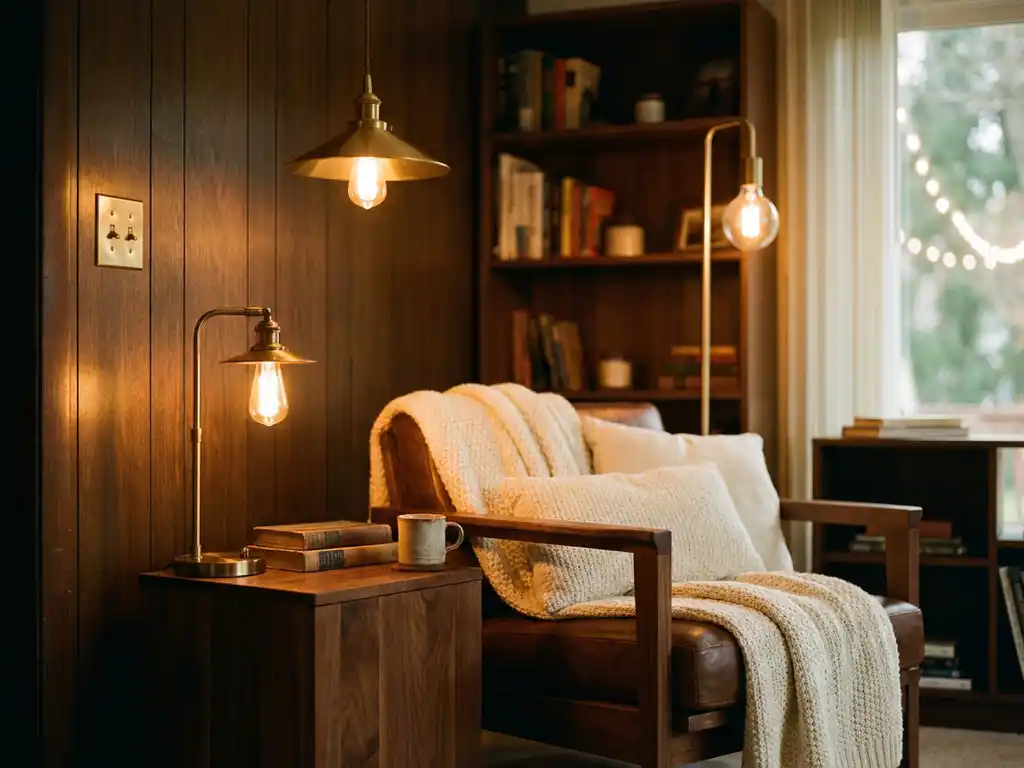
For ambient lighting, it’s best to use bulbs that emit warm white light, such as LED incandescent bulbs, filament bulbs, or dimmable LED spotlights. The key lies in a low color temperature (2200 to 2700 Kelvin) and the ability to adjust the brightness. Whether you want to create a cozy living room or a soothing bedroom environment, the right light makes all the difference. In this article, we answer the most frequently asked questions about mood lighting in the home.
Which light color creates the most ambiance in your home?
Warm white light creates the coziest atmosphere in your home. A color temperature between 2200 and 2700 Kelvin produces a soft, orange-yellow glow reminiscent of candlelight or a fireplace. This type of light is relaxing, inviting, and perfect for living spaces where you want to unwind or enjoy time together.
Cool white light (above 4000 Kelvin) is ideal for workspaces or kitchens, but can quickly feel clinical and cold in a living room. Neutral white (around 3000 Kelvin) is a good compromise, but for a truly warm atmosphere, it’s best to choose the lowest color temperatures.
A handy guide to color temperature by room:
- Living room and bedroom: 2,200 to 2,700 Kelvin for the best ambiance
- Dining room: 2,700 Kelvin for a cozy dining atmosphere
- Bathroom: 2,700 to 3,000 Kelvin for a spa-like atmosphere
- Entrance hall and staircase: 2700 Kelvin for a warm welcome
Regel het licht precies zoals u wilt
Ontdek onze led-dimmers en controls: draaiknop, drukknop of aanraakvrij — altijd upgradebaar.
Bekijk led-dimmersWhat is the difference between direct and indirect lighting when it comes to creating ambiance?
Direct lighting shines directly onto a surface or space, while indirect lighting reflects the light off a wall, ceiling, or other surface. For mood lighting, indirect lighting is almost always the better choice: the light becomes softer, the shadows less harsh, and the overall atmosphere warmer and more peaceful.
Think of a floor lamp that shines upward, LED strips behind a TV or piece of furniture, or wall sconces that cast light to the sides. All of these options create a diffused lighting effect that makes the space feel larger and more inviting.
Direct lighting, such as a bright ceiling light directly above a table, is functional but creates harsh shadows and a less relaxing atmosphere. The best approach is a combination of both: use direct lighting for tasks and indirect lighting to set the overall mood of the room.
Are dimmable bulbs better for ambient lighting?
Yes, dimmable bulbs are much better for mood lighting. By adjusting the brightness to suit the moment, the activity, or the time of day, you can set the mood yourself. A bright bulb set to 20% brightness creates a completely different experience than the same bulb at full brightness, and that’s what makes the difference between functional lighting and true ambiance.
In addition, you can save energy by not always using lights at full brightness. Dimmable LED bulbs are now affordable and widely available, but be sure to use a compatible LED dimmer. Not every dimmer works well with every LED bulb, and an incompatible pairing can cause flickering or limit the dimming range.
Which types of light bulbs are best suited for ambient lighting?
The best types of bulbs for ambient lighting are filament bulbs, dimmable LED bulbs, and LED strips. Each type has its own unique character, but they all produce a warm, soft light that instantly makes a room feel cozier.
An overview of the best options:
- LED filament bulbs: They look like traditional incandescent bulbs but use much less energy. The visible filament gives off a nostalgic, warm glow and looks beautiful in open fixtures.
- Dimmable LED spotlights: Ideal for ceiling lighting that you want to adjust. Choose a model with a wide beam angle for a softer look.
- LED strips: Perfect for indirect lighting behind furniture, under stairs, or in alcoves. Choose a warm white option for ambiance, or an RGB version for more creative possibilities.
- Decorative globe lights: Large LED lights that serve as a decorative element in a room, ideal above a dining table or in a pendant light.
- Tealights: Small LED lights shaped like flames, suitable for wall sconces or small fixtures where you want to create an intimate atmosphere.
How can you create mood lighting without a major renovation?
You can create beautiful ambient lighting without any chiseling, drilling, or rewiring. The key is to cleverly combine individual lighting elements with wireless controls, so you can customize the lighting experience exactly as you like without breaking open a single wall.
Practical tips to get started right away:
- Replace existing light bulbs with dimmable LED bulbs that emit a warm white light
- Add a table lamp or floor lamp to provide indirect lighting in a corner of the room
- Use self-adhesive LED strips behind furniture or under shelves
- Install a wireless dimmer or smart switch over your existing wall switch, without any new wiring
- Combine multiple light sources at different heights to create a layered lighting plan
By working with layers of light—namely, general lighting on the ceiling, accent lighting at furniture height, and decorative light fixtures on the floor—you can create a rich lighting experience that completely transforms the space.
Which smart lighting works best for ambient lighting at home?
When it comes to mood lighting at home, smart lighting works best when it’s easy to control and integrates seamlessly with what you already have. Systems that use Zigbee, Bluetooth, or Wi-Fi and are compatible with platforms like Philips Hue, Homey, or KlikAanKlikUit offer the most flexibility without requiring you to buy an entirely new system.
The main advantage of smart lighting for ambiance is the ability to set up lighting scenes. With the push of a button or via an app, you can switch from bright task lighting to a warm, dimmed ambiance scene. This isn’t just convenient—it also saves energy, since you’ll never forget to dim or turn off the lights again.
Schakelen zoals het u uitkomt
Bekijk onze led-lichtschakelaars: eenvoudig te installeren en klaar voor de toekomst.
Bekijk lichtschakelaarsHow Freelux Helps Create Ambient Lighting in Your Home
At Freelux, we understand that ambient lighting isn’t about a major renovation—it’s about the right controls. That’s why we offer a wide range of digital LED dimmers and light switches that instantly enhance the lighting experience in your home.
What we offer for mood lighting:
- Rotary dimmers and push-button dimmers that fit easily into existing System 55 flush-mount frames without the need for new wiring
- Smart dimmers with Zigbee, Bluetooth, or Wi-Fi, compatible with Philips Hue, Homey, and KlikAanKlikUit
- Touch-free dimmers for a modern, hygienic, and stylish interior
- Timer switches and astronomical timers for automatic mood lighting at just the right time
- All products are part of our WIIS® Wireless Intelligent Indoor Solution concept, making them interchangeable and future-proof
Whether you want to upgrade a single room or install dimmable mood lighting throughout your entire home, our products are designed for easy installation and immediate results. Browse our full selection of LED dimmers and lighting controls or our LED light switches in our online store, or contact us for personalized advice.
Frequently Asked Questions
Can I use a standard (non-dimmable) LED bulb with a dimmer?
Nee, dat is niet aan te raden. Een niet-dimbare LED-lamp op een dimmer aansluiten kan leiden tot flikkeren, zoemen of vroegtijdige slijtage van de lamp. Controleer altijd of de lamp expliciet als ‘dimbaar’ is aangemerkt op de verpakking, en combineer deze met een LED-compatibele dimmer voor een stabiel en stil resultaat.
How many light sources do I need for a good ambient lighting plan in the living room?
A good rule of thumb is to combine at least three light sources at different heights: one for general lighting (ceiling), one at furniture height (such as a floor lamp or table lamp), and one for decorative or accent lighting (such as LED strips or a candle-style lamp). This creates a layered lighting experience that makes the space feel warm and inviting, without any single light source having to carry the entire load.
What should I do if my dimmable LED bulb keeps flickering, even when using a compatible dimmer?
Flickering in dimmable LED bulbs usually has three causes: a mismatch between the bulb and the dimmer, a minimum wattage setting on the dimmer that is too low, or poor grounding in the circuit. First, check whether the bulb and dimmer share the same minimum and maximum wattage specifications. If the problem persists, try a different LED bulb from another brand, or adjust the dimmer’s minimum setting if possible.
Is mood lighting also suitable for the bedroom, or is it too dark to do anything?
Sfeerlicht in de slaapkamer is juist ideaal, zolang je het combineert met een goede dimfunctie. Gebruik ‘s avonds gedimde, warmwitte verlichting (2200–2700 K) om je lichaam voor te bereiden op de slaap, en schakel overdag of bij het lezen op naar een hogere lichtsterkte. Met een dimmer of slimme lamp heb je altijd de juiste lichtintensiteit voor het moment, zonder in te boeten op sfeer.
What common mistakes should I avoid when creating mood lighting?
The most common mistakes are: using only a single central ceiling light (too direct and too bright), choosing a color temperature that is too high (above 3000 K) in living spaces, and forgetting to make the lights dimmable. In addition, many people underestimate the effect of light reflections: dark walls and furniture absorb light, meaning you need more light sources to achieve the same cozy atmosphere as in a room with light tones.
Can I use mood lighting with smart home systems like Google Home or Amazon Alexa?
Yes, many smart dimmers and bulbs are compatible with Google Home, Amazon Alexa, and Apple HomeKit. Just be sure to check the compatibility list when purchasing a dimmer or smart bulb. Once paired, you can set up lighting scenes, have the lights dim automatically at set times, or control your mood lighting with voice commands—perfect for a completely hands-free lighting experience.
How do I choose the right dimmer if I want to connect multiple LED bulbs to a single circuit?
If you have multiple lights connected to a single dimmer, it is important to add up the total wattage of all the lights and check that it falls within the dimmer’s maximum power rating. Also pay attention to the minimum power rating: some dimmers only operate stably above a certain total power threshold, which can quickly become an issue with energy-efficient LED bulbs. Choose a dimmer that is specifically designed for LED loads, and if in doubt, consult the product specifications or contact the supplier.